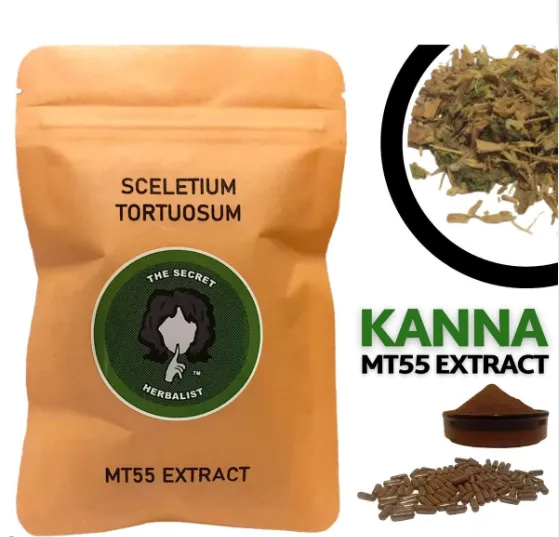
As Kanna continues to gain popularity in the wellness industry, consumers are discovering a growing variety of product options. Among the most common choices are Kanna extract and Kanna powder. While both originate from the same South African plant, they differ significantly in potency, processing, convenience, consistency, and overall user experience.
For beginners and experienced users alike, choosing between Kanna extract and Kanna powder can be confusing. Understanding the differences can help you select the product that best fits your wellness goals and lifestyle.
Today, companies such as MyZen Organix are helping introduce high-quality Kanna products to consumers seeking natural botanical wellness solutions. Whether you’re considering gummies, capsules, extracts, or powders, knowing how these produkanna cts compare is essential.
In this guide, we’ll explore the key differences between Kanna extract and Kanna powder, examine their advantages and disadvantages, and help determine which option may be better for your needs.
What Is Kanna?
Kanna (Sceletium tortuosum) is a succulent plant native to South Africa.
For centuries, indigenous Khoikhoi and San communities traditionally used kanna for purposes related to:
-
Emotional well-being
-
Social interaction
-
Relaxation
-
Stress management
-
Everyday resiliencekanna
Historically, Kanna was often fermented before use and consumed through methods such as:
-
Chewing
-
Brewing into tea
-
Smoking
-
Traditional preparations
Modern supplement technology has transformed Kanna into a variety of convenient product formats.
What Is Kanna Powder?
Kanna powder is made from dried and processed Kanna plant material.
Depending on the manufacturer, Kanna powder may be:
-
Raw
-
Fermented
-
Finely milled
-
Minimally processed
Because it contains whole plant material, Kanna powder generally retains a broad spectrum of naturally occurring compounds found within the plant.
Advantages of Kanna Powder
Traditional Format
Kanna powder is one of the closest modern products to traditional Kanna preparations.
Full Plant Profile
Many users appreciate the presence of the plant’s naturally occurring compounds.
Flexible Usage
Powder can be incorporated into:
-
Beverages
-
Capsules
-
Wellness routines
Often Lower Cost
Powder is frequently less expensive than highly concentrated extracts.
Disadvantages of Kanna Powder
Lower Potency
Because it contains unprocessed plant material, larger serving amounts are often required.
Variable Consistency
Potency may vary between batches and manufacturers.
Less Convenient
Powder often requires measuring and preparation.
What Is Kanna Extract?
Kanna extract is a concentrated product created by isolating and concentrating specific compounds from the plant.
Modern extraction techniques help increase the concentration of Kanna’s active alkaloids.
Common Alkaloids Found in Extracts
-
Mesembrine
-
Mesembrenone
-
Mesembrenol
-
Tortuosamine
Many extract products are standardized to provide more consistent alkaloid levels.
Advantages of Kanna Extract
Greater Potency
Extracts typically contain higher concentrations of active compounds.
Smaller Serving Sizes
Because of their concentration, extracts often require much smaller amounts than powders.
Better Consistency
Standardized extracts provide more predictable potency.
Convenient Formulations
Extracts are commonly used in:
-
Gummies
-
Capsules
-
Tinctures
-
Functional wellness products
Disadvantages of Kanna Extract
Higher Cost
Concentrated extracts are often more expensive.
More Processing
Some consumers prefer less processed botanical products.
Product Quality Varies
Not all extracts are standardized or tested for consistency.
Kanna Extract vs Kanna Powder: Quick Comparison
|
Feature |
Kanna Extract |
Kanna Powder |
|
Potency |
Higher |
Lower |
|
Serving Size |
Smaller |
Larger |
|
Consistency |
Usually Better |
Can Vary |
|
Convenience |
High |
Moderate |
|
Cost |
Higher |
Lower |
|
Traditional Use Similarity |
Less Similar |
More Similar |
|
Standardization |
Often Available |
Less Common |
Which Is Better for Beginners?
For most beginners, Kanna extract is often easier to use.
Reasons include:
-
Consistent potency
-
Simple serving sizes
-
Availability in gummies and capsules
-
Easier product comparisons
Standardized extracts can reduce the uncertainty associated with measuring raw powders.
Which Is Better for Experienced Users?
Experienced consumers may choose either option depending on their preferences.
Extract Users Often Prioritize:
-
Convenience
-
Consistency
-
Potency
Powder Users Often Prioritize:
-
Traditional plant material
-
Flexible serving options
-
Lower cost
The “better” choice often depends on individual goals.
Potency Differences
One of the most significant distinctions between extract and powder is concentration.
Kanna Powder
Contains naturally occurring alkaloids within whole plant material.
Kanna Extract
Contains concentrated alkaloids obtained through extraction processes.
As a result, extracts generally require much smaller serving amounts than powders.
This is one reason extracts have become increasingly popular in modern wellness products.
Standardized Extracts vs Raw Powder
What Is a Standardized Extract?
A standardized extract contains controlled amounts of active compounds.
Benefits include:
-
Consistency
-
Predictable potency
-
Quality control
Raw Powder
Raw powder may contain varying alkaloid levels depending on:
-
Plant quality
-
Harvest conditions
-
Processing methods
Consumers seeking consistency often prefer standardized extracts.
Kanna Gummies and Extracts
Many premium Kanna gummies use standardized extracts rather than raw powder.
Benefits include:
-
Reliable serving sizes
-
Consistent formulations
-
Easier manufacturing quality control
This has helped gummies become one of the fastest-growing Kanna product categories.
How to Choose a Quality Kanna Product
Whether selecting extract or powder, look for:
Transparent Labeling
Products should clearly identify:
-
Ingredients
-
Serving sizes
-
Extract information
Third-Party Testing
Independent testing helps verify:
-
Purity
-
Potency
-
Consistency
Reputable Brands
Choose companies that prioritize quality and transparency.
Standardization Information
When available, standardized extracts often provide greater confidence in product consistency.
Who Should Choose Kanna Extract?
Kanna extract may be ideal for individuals who:
-
Want greater potency
-
Prefer convenience
-
Value consistency
-
Use gummies or capsules
-
Want standardized products
Who Should Choose Kanna Powder?
Kanna powder may appeal to individuals who:
-
Prefer traditional plant materials
-
Enjoy customizing serving amounts
-
Want a less processed option
-
Are comfortable measuring products
Frequently Asked Questions
Is Kanna Extract Stronger Than Kanna Powder?
Yes. Extracts are generally more concentrated and potent than whole-plant powders.
Which Is Better: Kanna Extract or Powder?
The best option depends on personal preferences, goals, and desired product experience.
Do Kanna Gummies Use Extracts?
Many modern Kanna gummies use standardized extracts for consistency and convenience.
Is Kanna Powder More Natural?
Some consumers consider powder closer to traditional plant material because it undergoes less processing.
Are Standardized Extracts Better?
Standardized extracts often provide more predictable potency and consistency, making them popular among consumers.
Final Thoughts
When comparing Kanna extract vs Kanna powder, neither option is universally better. Instead, each offers unique advantages depending on individual preferences and wellness goals.
Kanna extract stands out for its potency, consistency, and convenience, making it an excellent choice for beginners and consumers seeking standardized products. Meanwhile, Kanna powder appeals to those who prefer a more traditional botanical experience and greater flexibility in how they use the plant.
By understanding the differences between these two forms of Kanna and prioritizing product quality, transparency, and reputable manufacturers, consumers can make more informed decisions and choose the option that best fits their lifestyle and wellness routine.