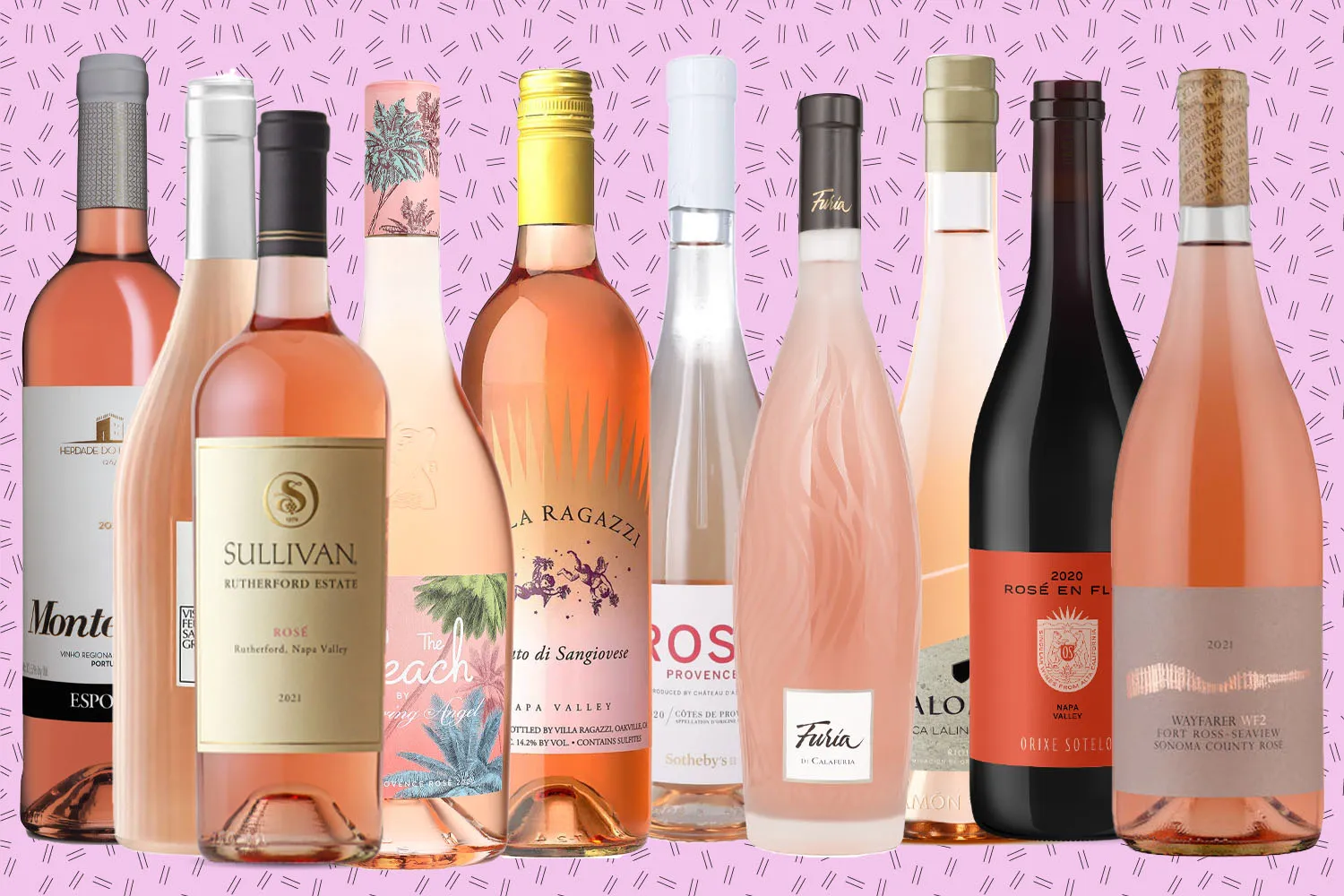
The global pink wine market reached $2.3 billion in 2023, yet most consumers still confuse blush wine with rosé. This confusion stems from decades of marketing overlap and regional terminology differences, but the distinction between these two wine categories runs deeper than semantics.
Production methodology and color extraction
Rosé production follows the saignée method or direct press technique, where red grapes undergo brief skin contact ranging from 2 to 24 hours. This controlled extraction creates wines with precise color intensity and flavor profiles that reflect the winemaker’s skill and the terroir’s character.
Blush wines take a different approach entirely. Producers typically blend finished red and white wines to achieve the desired pink hue, or they use white winemaking techniques on red grapes with extended skin contact. The process allows for greater color consistency across batches but often sacrifices the complexity that comes from traditional rosé production methods.
Traditional rosé demands careful timing during skin contact. Winemakers monitor color extraction hourly, pulling the juice when it reaches optimal levels. This precision creates wines with structured tannins and layered flavors.
Skin contact timing differences
Blush wine production removes this variable entirely. By blending or using alternative extraction methods, producers can achieve consistent color profiles without the risk of over-extraction. The result is predictable but less complex.
Regional terminology and market perception
Geography shapes how consumers understand these terms. In France, “rosé” maintains strict production standards and cultural significance. The category represents serious winemaking with centuries of tradition behind specific regions like Provence and Languedoc.
American markets developed the “blush” category differently. The term emerged in the 1970s when California producers needed to differentiate their pink wines from European imports. White Zinfandel became the flagship blush wine, emphasizing sweetness and accessibility over traditional wine complexity. This wasn’t an accident but a calculated response to consumer preferences for approachable, uncomplicated wines.
This marketing distinction persists today. When exploring a quality rosé wine collection, you’ll notice price points and descriptions differ significantly between wines labeled as rosé versus those marketed as blush wines. The divide runs deep among consumers as well.
Consumer expectations vary significantly
Blush wines typically target entry-level wine drinkers seeking approachable flavors, while rosé appeals to consumers looking for food-pairing versatility and seasonal drinking options with more sophisticated flavor profiles.
Grape varieties and flavor profiles
Rosé production spans numerous grape varieties, each contributing distinct characteristics. Grenache creates light, delicate wines with strawberry notes and mineral undertones when grown in the right conditions. Syrah produces more robust rosés with spice and dark fruit undertones that can age gracefully for several years.
Pinot Noir yields elegant wines with bright acidity and red cherry flavors, though achieving the right balance requires considerable skill since Pinot’s thin skins extract color quickly. Each variety presents unique challenges and rewards in rosé production.
Blush wines concentrate on specific varieties that deliver consistent results year after year. Zinfandel dominates American blush production because it reliably produces sweet, fruit-forward wines with broad consumer appeal, regardless of vintage variation or vineyard location.
Merlot and Cabernet Sauvignon also appear in blush blends, but their use focuses on achieving target sweetness levels rather than expressing varietal character or terroir. The alcohol content reflects these different approaches, with rosé wines typically ranging from 11.5% to 13.5% alcohol and blush wines finishing at lower levels around 9% to 11%.
Quality standards and aging potential
Production standards reveal the most significant differences between these categories. Premium rosé follows strict quality protocols that mirror those used for serious red wines. Producers limit yields, select optimal harvest timing, and employ temperature-controlled fermentation to preserve delicate flavors while building structure.
Blush wine production emphasizes volume and consistency above all else. Large-scale operations can produce millions of cases annually while maintaining uniform taste profiles across different vintages. This industrial approach keeps costs low but limits aging potential and complexity development.
Most blush wines are designed for immediate consumption and show little improvement with time. Their simple structure and residual sweetness don’t benefit from extended aging, and many actually deteriorate after 18 months. Quality rosé, particularly from established regions, can develop interesting secondary flavors over 2-3 years in proper storage conditions.
Pricing structure reflects these quality differences. Premium rosé commands prices comparable to serious white wines, often $15-50 per bottle for respected producers. Blush wines typically retail between $8-15, positioning them as everyday drinking options rather than special occasion choices.
Understanding these distinctions helps consumers make informed purchasing decisions and sets appropriate expectations for different drinking occasions. The choice between blush and rosé often comes down to whether you prioritize consistency and approachability or complexity and terroir expression.